
Table of Contents
- What are Marine Putties?
- Common Applications
- Benefits & Key Properties
- Types of Marine Putty
- How to Use Marine Putties
- How to Choose a Marine Putty
- FAQ
Whether you are repairing a boat hull or fixing surface damage, you need a product that can handle the harsh conditions that come with marine environments. Marine body fillers and putties are specialized products that are designed to meet these performance requirements. In this guide, we discuss marine putties, including the different types, applications, surface preparation requirements, and how to choose the right one for your needs.
What Are Marine Putties?
Marine putties, also sometimes called marine fillers or boat putties, are gap-filling compounds used specifically in the marine industry. Compared to standard household gap fillers, these products are formulated for marine environments, including exposure to freshwater, saltwater, or UV light.
Most marine putties consist of a resin and a hardener that are mixed together immediately before application to create a moldable material. Once cured, the marine putty will harden and bond to the substrate. Marine putties can also be sanded, drilled, painted, or machined for a nice aesthetic finish.
Common Applications

Marine putties are versatile compounds that can be useful for structural repairs, surface restoration, or fixes. They can be used on different substrates, including wood, fiberglass, metal, and composites.
Some common applications of marine putties include:
- Fiberglass hull repairs
- Gelcoat repair and restoration
- Filling cracks, holes, and surface damage
- Fairing uneven surfaces
- Deck and transom repairs
- Hardware and through-hull fitting repairs
- Leak sealing and waterproof repairs
- Corrosion damage repair
- Marine equipment restoration
- Dock and marina maintenance
- Emergency repairs
Benefits & Key Properties
Marine putties have unique properties and benefits that make them suitable for marine environments when other materials may fail. Some key properties of marine putties include:
- Gap-filling capabilities
- Waterproof bonding
- Water and moisture resistance
- Saltwater resistance
- Lightweight finish
- High-strength performance
- Vibration resistance
- Sandable and paintable
The exact performance characteristics will depend on the specific marine putty. Looking at a product’s technical datasheet can inform you of these specifications.
Types of Marine Putty
Not all marine putties are designed for the same applications. Understanding the different types of marine fillers can help you determine which one is best suited for your application.
Marine Epoxy Putties
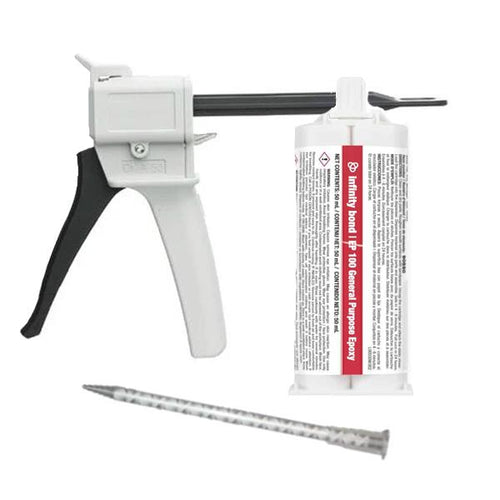
Epoxy marine putties are known for their great strength and water resistance. They can adhere to numerous materials, including fiberglass, wood, and metal, and are commonly used for repairs or structural bonding. Epoxy fillers also offer minimal shrinkage during curing and are usually sandable and paintable, though they may not be as easy to finish as polyester marine fillers.
Recommended Product:
Marine Polyester Putties
Marine polyester fillers are a popular choice of putty for cost-effective cosmetic repairs, surface restoration, and fairing applications. They are generally easy to sand and allow for smooth finishes. Polyester putties usually offer fast cure times, but they tend to have lower water resistance and strength than epoxy marine putties.
Recommended Products:
- For higher strength- POLYFILL 5000 Polyester Bonding Putty
- For low shrinkage- POLYFILL 1050
Marine Fiberglass Putties
Besides chemistry, there are also marine putties that are formulated for specific applications. Marine fiberglass fillers, for instance, are made for fiberglass boats and composite structures. These marine repair putties are commonly used to repair chips, scratches, gouges, and surface damage. They offer easy sanding and finishing.
Recommended Product:
Underwater Marine Putty
Some marine putties are also designed to cure while submerged underwater for below-the-waterline applications. With fast curing capabilities, they can be great for emergency repairs when a quick fix is necessary.
Each category of marine putty serves a different purpose, so matching the product to the application is essential for long-term performance.
| Type of Marine Putty | Unique Properties | Ideal Applications |
|---|---|---|
| Epoxy Marine Putty | High strength, waterproof, structural bonding | Hull repairs, transom repairs, structural rebuilding |
| Polyester Marine Putty | Fast curing, easy finishing | Cosmetic repairs, fairing surfaces |
| Fiberglass Marine Putty | Compatibility with fiberglass composites | Gelcoat repairs, fiberglass restoration |
| Underwater Marine Putty | Cure while submerged | Below-the-waterline repairs, emergency leak repair |
How to Use Marine Putties
Marine putties typically rely on a chemical curing process that occurs when the base is mixed with the catalyst. When mixed in the proper ratio, the chemical reaction will transform a soft, moldable putty into a hardened compound when it cures.
The mixed material is only workable for a limited amount of time, so it is important to mold and apply it within the set timeframe. Once the product fully cures, it will reach its maximum strength and water resistance. The ability to mold the material before curing allows users to rebuild missing sections, fill irregular voids, and restore damaged surfaces that would be difficult to repair with liquid adhesives.
When applying marine putties, proper preparation and application techniques are also critical to long-term success. While these requirements can vary from product to product, the tips below are general recommendations that may help.
- Clean all surfaces thoroughly before application.
- Remove grease, oils, and contaminants.
- Sand smooth surfaces to improve mechanical adhesion.
- Follow the manufacturer's mixing ratios carefully.
- Apply within the recommended working time.
- Apply in thin layers when possible.
- Allow the putty to fully cure before exposing to service loads.
- Sand after curing is complete.
- Prime or gelcoat as needed.
- Protect uncured materials from water exposure when required.
How to Choose a Marine Putty
With so many products available, selecting the best marine putty often comes down to the specific application requirements.
Before purchasing a product, consider the following factors carefully:
- Type of repair (structural versus cosmetic)
- Substrate
- Environmental conditions/exposure
- Cure time
- Finishing requirements
Need a Recommendation?
From cosmetic imperfections to structural damage, marine filler putties can provide a great solution for various boat-repair applications. Because the best marine putty will vary by specific application, it is important to ensure that the product you choose matches your performance requirements.
You can browse our selection of marine putties for sale online or contact our team for a personalized product recommendation.