
Table of Contents
- What Is the Bostik Pliogrip 7700 Series?
- Key Characteristics
- Applications
- Product Comparison
- How to Choose a Pliogrip 7700 Adhesive
- FAQs
Choosing the right structural adhesive means finding a product that meets your specific bonding requirements. The wrong adhesive could lead to longer cycle times, poor performance, or even bond failure.
As players in the adhesives industry since 1971, we regularly work with manufacturers and professionals in search of a structural adhesive that will work for their particular needs. The Bostik Pliogrip™ 7700 series is a well-known family of two-part polyurethane structural adhesives that is a great choice for a wide range of applications, but is it right for yours? Our team reviews the Pliogrip 7700 product line of adhesives, including the pros, cons, and ideal applications for the different products.
What Is the Bostik Pliogrip 7700 Series?
The Pliogrip 7700 series from Bostik is a collection of high-performance, two-component polyurethane adhesives most commonly used in structural bonding applications. Bostik often refers to these products as the Pliogrip 7400/7600 (7700) series because each 7700 adhesive is the combination of a 7400 resin with a 7600 hardener. All the products in the Pliogrip 7700 system have a 1:1 mix ratio and can cure at room temperature. While they have similar properties, the Pliogrip 7700 products differ mostly in their open times to meet different assembly needs.
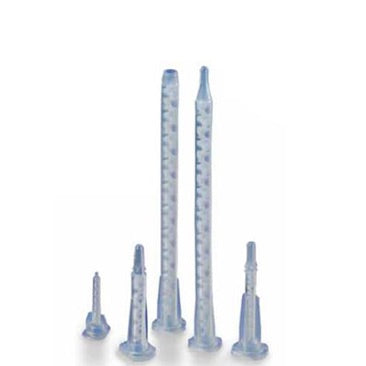
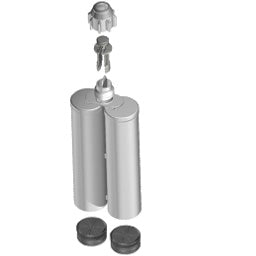
These adhesives are compatible with composites, coated metals, wood, and plastic substrates. They are commonly used in the automotive and transportation industries, but they can also be used in other general assembly applications. They come in cartridges that can be dispensed with manual or pneumatic applicators.
Key Characteristics
Before looking at individual products, it can be helpful to understand the core performance characteristics of the Pliogrip 7700 products as a whole, including their benefits and limitations. These properties can help you determine if the Pliogrip polyurethane adhesives are even right for your application.
Overall, the beneficial properties of the Pliogrip 7700 adhesives include:
- High impact toughness
- Non-sag formulation for vertical applications
- Gap filling
- Heat resistance
- Humidity resistance
- Weather resistance
- Solvent and aggressive chemical resistance
- Automotive media resistance
- Sandable and paintable capabilities
These adhesives also have good long-term adhesion to multiple substrate materials, including composites, thermoplastics, wood, concrete, and coated metals, without the need for primers or activators
Of course, no adhesive is perfect for every application, and it is important to weigh both strengths and trade-offs.
Compared to some other structural adhesives, the limitations of the Pliogrip 7700 series include:
- Lower tensile and shear strength
- Lower heat resistance
For applications requiring extreme temperatures or where strength is the highest priority, alternative chemistries may be more appropriate.
Pliogrip 7700 Series Applications
The versatility of the Pliogrip 7700 polyurethane adhesives make them suitable for numerous industries and applications. Some good applications for the Bostik Pliogrip 7700 adhesive system include:
- Automotive, heavy truck, and combine vehicle assemblies
- Infrastructure bonding
- Vertical structural bonding
- Primerless coated metal bonding
- Primerless carbon fiber composite bonding
- Plastic repair
- Structural bonds exposed to heat, humidity, fuel, solvents, or aggressive chemicals
Overall, the Pliogrip 7700 series is a good adhesive solution for structural applications. It can bond multiple different substrates without the need for a primer, can perform in vertical applications, and is able to withstand exposure to environmental conditions found in demanding applications.
Pliogrip 7700 Series Product Comparison
While all the Pliogrip 7700 glues share the same core chemistry and generally have the same properties, there are important differences from product to product in terms of their production times. The table below outlines some of the individual products’ differences in open time, handling time, and sanding time to help you select the right Pliogrip polyurethane for your specific production and assembly needs.
| Product | Approx. Open Time | Approx. Handling Time | Approx. Sanding Time |
|---|---|---|---|
| Pliogrip 7770 | 35 minutes | 90 minutes | 150 minutes |
| Pliogrip 7771 | 1.5 minutes | 5 minutes | 10 minutes |
| Pliogrip 7773 | 3.5 minutes | 15 minutes | 30 minutes |
| Pliogrip 7779 | 10 minutes | 30 minutes | 60 minutes |
| Pliogrip 7715B | 15 minutes | 45 to 60 minutes | 150 minutes |
How to Choose a Pliogrip 7700 Adhesive
If you believe the Pliogrip 7700 series is right for your needs, the next step is determining which particular adhesive to choose. This largely comes down to timing.
- Longer open and handling times are generally better for applications where repositioning is needed, the assembly process is complex, or you are bonding larger surface areas.
- Shorter open and handling times are typically better for higher-speed production, where parts must be handled quickly.
- Medium open and handling times can be ideal for applications that need a balance between speed and adjustability.
Selecting the right adhesive timing profile can reduce rework, improve consistency, and increase overall productivity.
Final Thoughts
After a full product review, we believe the Bostik Pliogrip 7700 series is a great two-part polyurethane adhesive solution for structural bonding applications. The product line has beneficial properties and could be a good fit for multiple uses. If you have questions about how these products would fare for your particular needs or are looking for a recommendation, just contact us.