
Adhesives for Metal to Rubber
Adhesives for Metal to Rubber: How to Choose the Right Solution & Apply It Correctly
Table of Contents
- Why Metal to Rubber Bonding Is Challenging
- Adhesives for Metal to Rubber Bonding
- Surface Preparation for Metal and Rubber Bonding
-
Recommended Products
- FAQs
Bonding metal to rubber is a common requirement across manufacturing, product assembly, and other applications. From attaching rubber feet to metal housings or securing gaskets and O-rings, these bonds need to be able to handle different environments. Because metal and rubber behave differently, adhesive selection can be challenging.
Fortunately, we are here to help. Our team walks you through some key bonding challenges, how to properly prepare surfaces, and how to choose the best adhesive for your metal to rubber application.
Why Metal to Rubber Bonding Is Challenging
Bonding dissimilar materials comes with added challenges as the adhesive must be compatible with both substrates. In this case, metal and rubber have different physical and chemical properties that can directly impact adhesion performance.
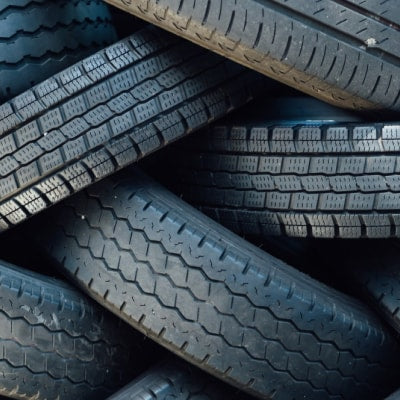
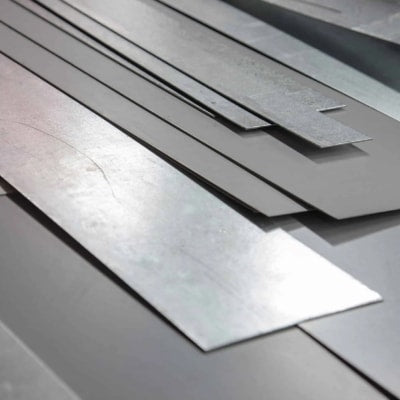
Metal is rigid, non-porous, and typically has a high surface energy. It is generally easy to bond with the right adhesive and surface preparation. On the other hand, rubber is flexible, elastic, and often has lower surface energy, especially rubbers like EPDM or silicone. It is more challenging to bond, and there are more limited options for adhesives for rubber bonding. The differences in these materials also create stress at the bond line, particularly when the bond is exposed to temperature changes or movement, which can add to the challenges of bonding them together.
Another factor to consider when bonding metal to rubber with adhesive is the bond’s exposure to real-world conditions. Some applications are exposed to oils, moisture, UV light, or mechanical stress. If the adhesive cannot accommodate these conditions, the bond can fail. Because of these challenges, selecting the right adhesive requires compatibility with both materials and the bonding environment.
Adhesives for Metal to Rubber Bonding
There is no best adhesive for rubber to metal bonding. The right choice depends on the particular application, including the specific types of substrates, environmental exposure, and bonding requirements.
Cyanoacrylate Adhesives
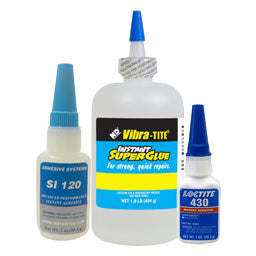
Cyanoacrylate adhesives, or super glues, are a top choice of rubber to metal glues. These adhesives are known for their fast curing and can provide strong initial bonds with minimal fixturing time. Because of their instant bonding, they are ideal for small or fast-paced assembly applications and are commonly used to bond O-rings, small rubber pads, and light-duty components where speed is a priority.
The downside to cyanoacrylates is that they have poor flexibility and can be brittle. These limitations make them less suitable for applications involving movement, vibration, or impact. They are also not suitable for gap-filling.
We Recommend: Infinity Bond Cyanoacrylate Adhesives
Special Bonding Systems
For high-performance applications, another option for metal to rubber adhesives is a specialized multi-step bonding system. These systems often use solvent or water-based adhesives combined with a primer. They must also be applied in a specific way under controlled conditions to be effective. Because of this limitation, they are commonly used during molding and casting and are not typically made for manual or field applications.
Different bonding agents have different properties, so it is important to select a rubber and metal adhesive that is compatible with your bonding requirements, including flexibility, chemical resistance, and durability.
Surface Preparation for Metal and Rubber Bonding
Along with choosing the right metal and rubber adhesive for the particular job, it must also be applied correctly. Surface preparation is one of the most critical steps in achieving a reliable bond. Even the best adhesive will fail if applied to improperly prepared surfaces.
When preparing metal and rubber for adhesive bonding, you want to ensure that the adhesive is able to properly wet out the surfaces and form a strong bond. While different adhesives have different surface preparation requirements, you generally want to follow the steps below when bonding metal to rubber with adhesives like cyanoacrylates.
1. Clean the metal surface.
Dirty metal is harder to bond. Remove oil, grease, and contaminants using a solvent such as isopropyl alcohol or acetone.
2. Abrade the metal.
Light sanding or grit blasting the metal may improve mechanical adhesion.
3. Clean the metal again.
After abrasion, clean the surface again to remove dust and debris and ensure a clean bonding surface.
4. Prepare the rubber surface.
Mold release agents and contaminants are common on rubber parts. Clean and remove these before applying the adhesive.
5. Lightly abrade the rubber if appropriate.
Some rubber types benefit from light abrasion, but softer materials should be handled carefully.
6. Apply a primer if needed.
Low surface energy rubbers, such as EPDM or silicone, often require a primer to improve adhesion.
Following these steps can help lead to better bond performance, especially in demanding applications, but you should always follow the adhesive manufacturer’s specific recommendations.
Need More Help?
Finding an adhesive for metal to rubber requires more than just selecting a strong glue. You need a solution that can handle the flexibility requirements, environmental exposure, and inherent differences between these materials. When you combine the right adhesive with proper surface preparation, you significantly improve your chances of long-term success.
Our team recommends starting with a clear understanding of your application requirements. From there, you can choose the best metal to rubber adhesive for your needs. If you are unsure which option is best, our team can provide you with a personalized recommendation.
Recommended Adhesive

Frequently Asked Questions
The best rubber-to-metal adhesive depends on the application. Cyanoacrylates work well for small, fast bonds, while bonding systems are better for industrial processes.
Metal-to-rubber bonding shows up in a wide range of industries and product designs, including:
- Rubber gaskets bonded to metal frames or housings
- O-rings secured to metal components during assembly
- Rubber feet, pads, or bumpers attached to metal enclosures
- Vibration dampening components in equipment and machinery
- Sealing applications where flexibility and environmental resistance are required
Each of these applications has different performance requirements and priorities. Consequently, choosing the right glue to bond rubber to metal starts with understanding the real-world conditions impacting the bond.
Yes. Rubber surfaces often contain mold release agents that must be removed. Metal can also be contaminated with grease, oil, and dirt. Cleaning and, in some cases, light abrasion or priming are necessary to achieve a strong bond.
Ask a Question
Have questions? Our team of adhesive experts can help. Submit your questions and we'll get you answers right away. We're here to help.